Bibliographer: Sydney Covitz
Letters to the Duchess de Crui
Traditional Description
Experimental Description
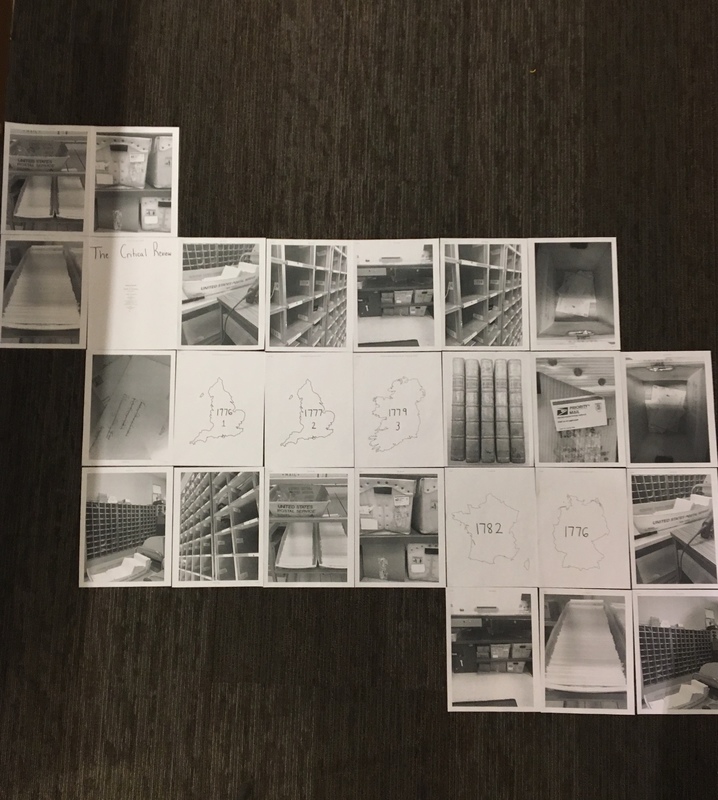
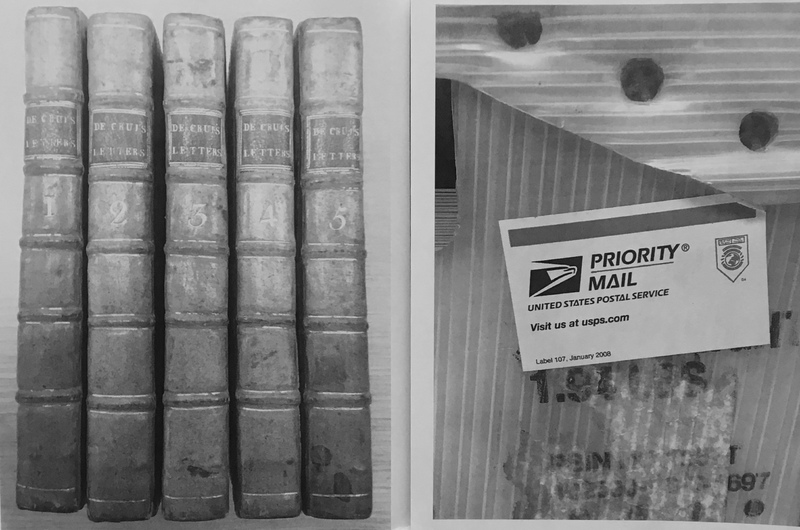
"Letters from the Duchess de Crui and Others, on Subjects Moral and Entertaining, Wherein the Character of the Female Sex, with Their Rank, Importance, and Consequence, Is Stated, and Their Relative Duties in Life Are Enforced," commonly referred to as "Letters to the Duchess de Crui" or simply "Letters," is an epistolary novel originally published in five volumes. It was first published anonymously in 1776 in England. The second and third editions were published under Mary Walker's name in 1777 in England and 1779 in Dublin respectively. The novel was also translated into German in 1776 and French in 1782. My experimental bibliography incorporates
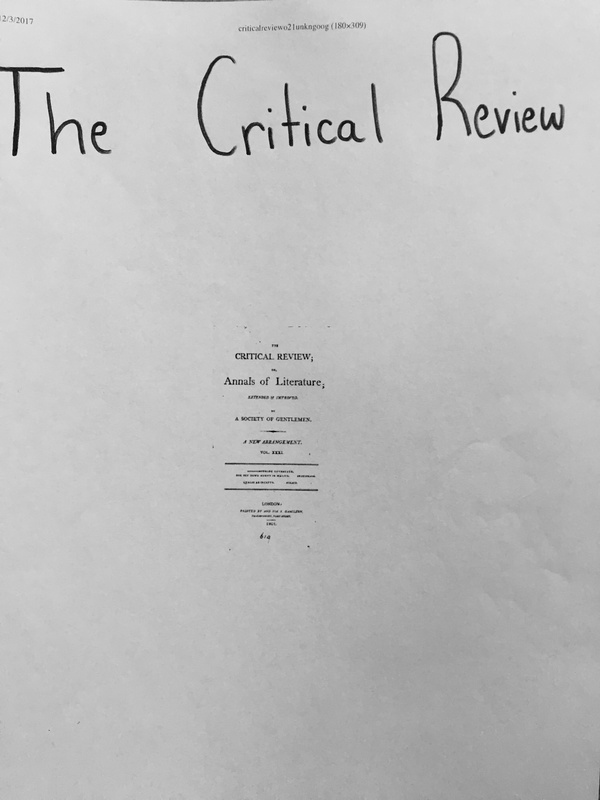
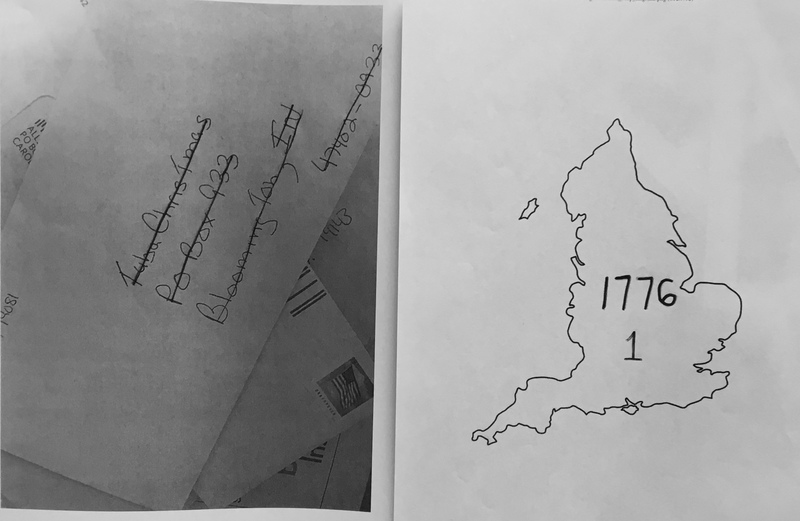
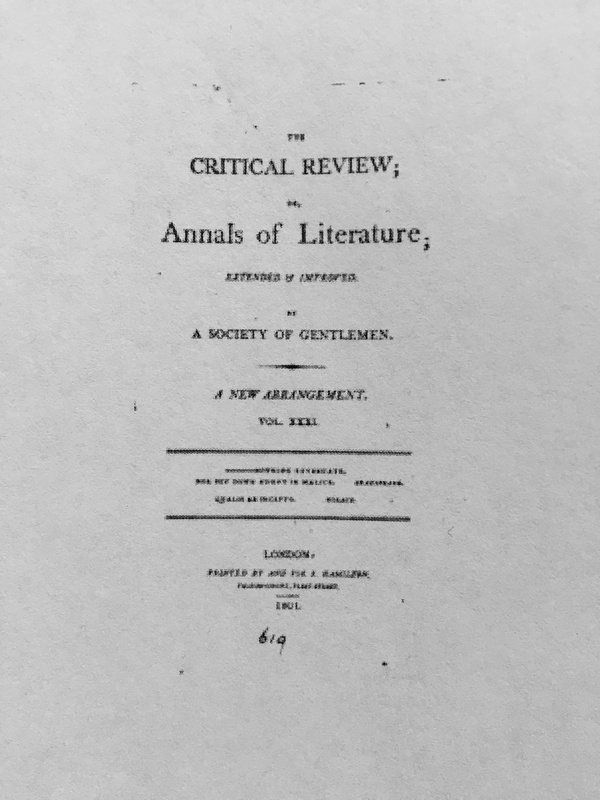
For my experimental bibliography, I chose to incorporate information about where, when, and how the novel was published as well as its intra and extradiagetic form. The pictures of letters and postal services items represent the epistolary nature of the novel. Critics often refer to "Letters" as a novel of ideas rather than plot. I chose to represent these ideas, or observations on human life bound inside of Walker's novel through dates of the different editions' publications inside an outline of the country in which they were published. These representations of the novel are framed inside modern postal and letter-related images, just as Walker's original work is framed within the context of letters. The letter with the name and address information crossed out signifies the anonymous publication of the first edition of Walker's work. I also chose to include two other representations of the novel inside the boarder. The first is a picture of the five original, anonymously published volumes of the 1776 edition of Walker's work. The second is a picture of the cover of The Critical Review, a British literary publication that ran from 1756 to 1817. In this publication, an anonymous reviewed Walker's work in the same edition it reviewed Adam Smith's The Wealth of Nations and Edward Gibbon's Decline and Fall of the Roman Empire.
I chose to present my experimental bibliography as a series of re-arranged, printed out, black and white images of images in order to represent the fact that I never had Walker's work in front of me. In the Eighteenth Century Collections Online (ECCO) database, we can access digital facsimiles of the novel but, we will never see the real thing. According to my research, Walker's original work was a beautiful publication bound completely in leather with a ribbed spine, brown calf, red spine label, guilt tiles, and leaf-like gold patterns gracing the cover. These are all details we will never see unless we find a copy of the original work, and although we can create a traditional bibliography with the images and information found on the ECCO, there are some things we cannot truly appreciate and come to know without holding the real thing in our hands.
For my experimental bibliography, I chose to incorporate information about where, when, and how the novel was published as well as its intra and extradiagetic form. The pictures of letters and postal services items represent the epistolary nature of the novel. Critics often refer to "Letters" as a novel of ideas rather than plot. I chose to represent these ideas, or observations on human life bound inside of Walker's novel through dates of the different editions' publications inside an outline of the country in which they were published. These representations of the novel are framed inside modern postal and letter-related images, just as Walker's original work is framed within the context of letters. The letter with the name and address information crossed out signifies the anonymous publication of the first edition of Walker's work. I also chose to include two other representations of the novel inside the boarder. The first is a picture of the five original, anonymously published volumes of the 1776 edition of Walker's work. The second is a picture of the cover of The Critical Review, a British literary publication that ran from 1756 to 1817. In this publication, an anonymous reviewed Walker's work in the same edition it reviewed Adam Smith's The Wealth of Nations and Edward Gibbon's Decline and Fall of the Roman Empire.
I chose to present my experimental bibliography as a series of re-arranged, printed out, black and white images of images in order to represent the fact that I never had Walker's work in front of me. In the Eighteenth Century Collections Online (ECCO) database, we can access digital facsimiles of the novel but, we will never see the real thing. According to my research, Walker's original work was a beautiful publication bound completely in leather with a ribbed spine, brown calf, red spine label, guilt tiles, and leaf-like gold patterns gracing the cover. These are all details we will never see unless we find a copy of the original work, and although we can create a traditional bibliography with the images and information found on the ECCO, there are some things we cannot truly appreciate and come to know without holding the real thing in our hands.
Critics in The Critical Review, an 18th century literary magazine that reviewed popular novels of the time, described how Walker's work used letters as a framework to expound anecdotes, bits of advice on how to live, and insights into human existence. I used pictures of letters and modern transportation of mail, to literally frame my experimental bibliography—depictions of information expounding conceptions about Walker's work.
For my experimental bibliography, I chose to display information about where, and when the novel was published as well as its intra and extradiagetic form. The pictures of letters and postal services items represent the epistolary nature of the novel. Additionally, critics often refer to "Letters" as a novel of ideas rather than plot. These ideas, or observations on human life, are bookended and framed within the context of letters, so I chose to frame my project within the bounds of modern, letter-related images. The letter with the name and address information crossed out signifies the anonymous publication of the first edition of Walker's work, and the dates and volume numbers for each early edition of the publication are inside an outline of the country in which they were published. There is also an image containing five of the originally published novels. Form is one of the most critical and core aspects central to any novel, and traditional bibliographies completely ignore that emphasis. Finally, next to the picture containing the priority mail sticker, I included a picture of the five volumes as they were published anonymously in 1776.